Retail Design
“Design is not what you see, but what you make others see.”
Edgar Degas (1876).

Commercial Design as Experience
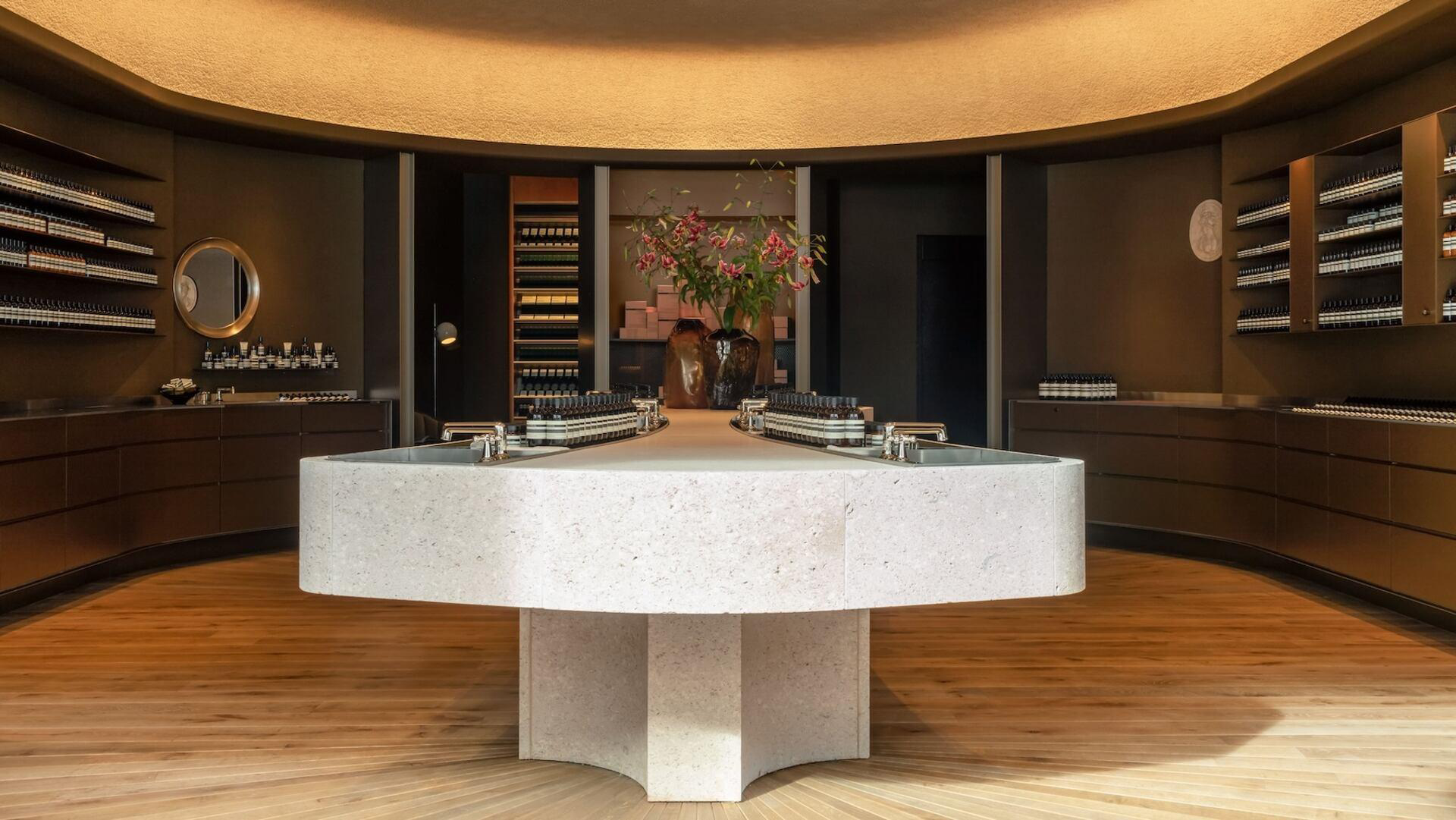
Commercial design goes far beyond creating an attractive interior. It is about designing an experience — one that communicates, guides, engages and ultimately influences how people interact with a brand.
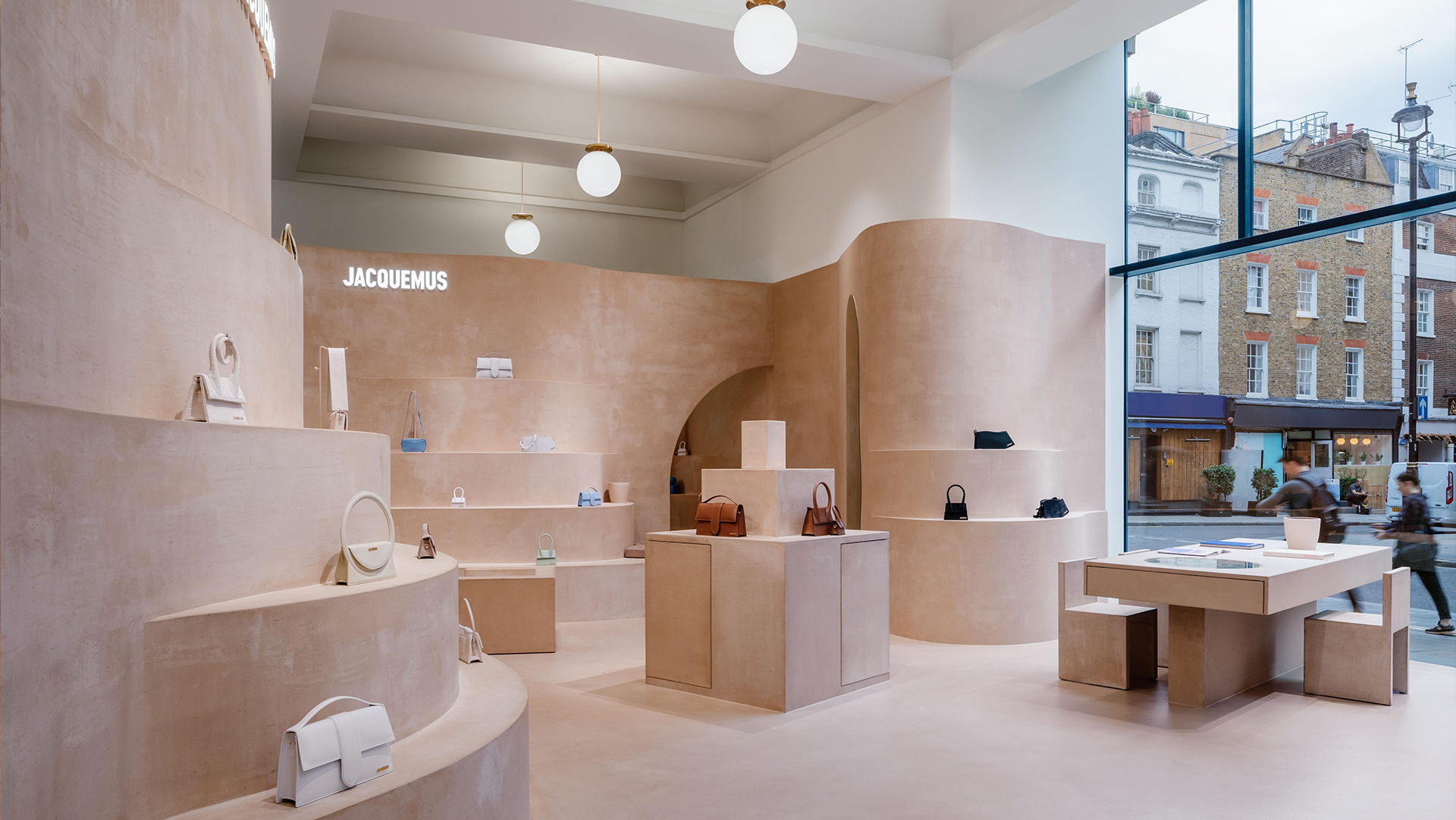
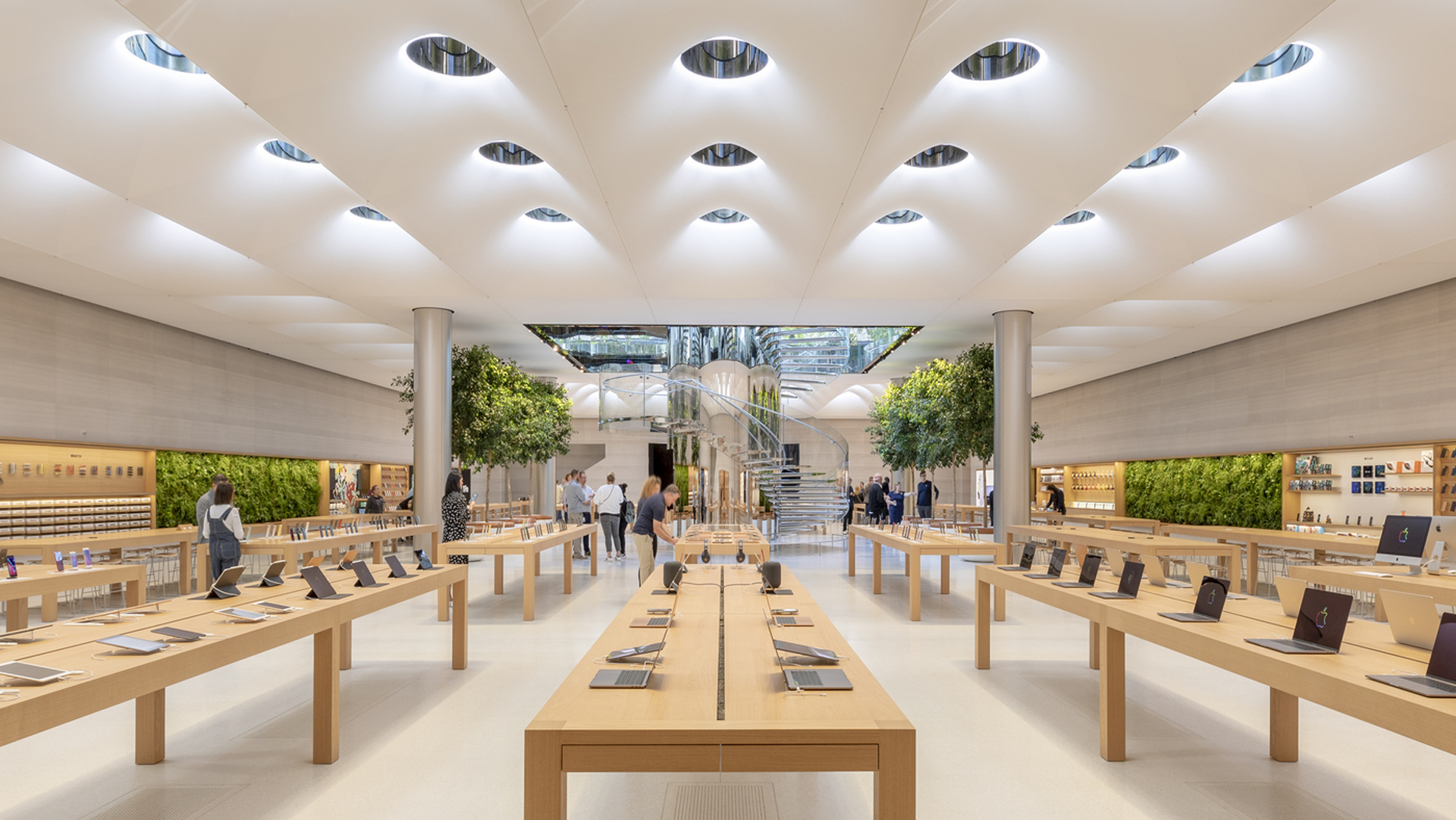
Every element of a retail environment contributes to that experience. The storefront creates the first impression, the interior establishes the atmosphere, circulation guides movement, and visual cues help customers intuitively understand where to go and what to discover.
In this sense, the space becomes the backdrop for the product — carefully designed to present it in the right context and connect it with the right audience.
The success of a commercial space is therefore not measured by aesthetics alone. It can also be understood through behaviour: how people enter, move through the space, interact with products and ultimately respond to the experience.
From Brand to Space
A strong commercial interior should feel like a physical extension of the brand.
The identity communicated from the exterior should continue naturally inside, creating consistency between architecture, interiors, graphics, products and communication.
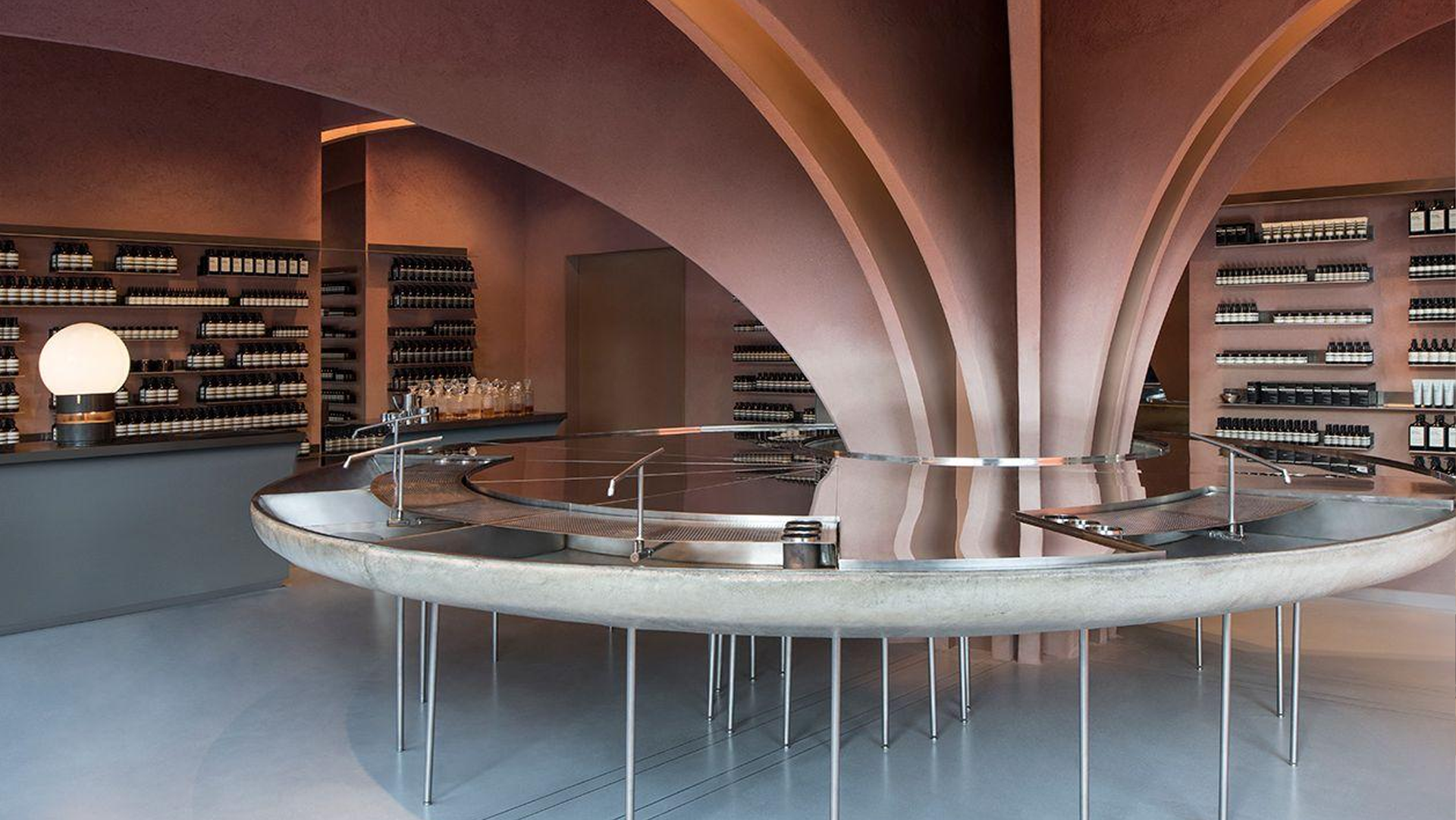
Materials, lighting, colour, typography, signage and spatial organisation all contribute to this perception. When these elements speak the same language, the customer does not simply recognise the brand — they experience it.
This consistency also makes navigation more intuitive. Customers should be able to understand the space almost instinctively: where to explore, where products are located and how to move through the different stages of their journey.
Designing a Brand Personality
Just as people have personalities, brands do too.
A commercial space can feel sophisticated, playful, understated, bold, warm or experimental. Defining that personality is fundamental because people tend to connect more naturally with brands whose values and character resonate with their own.
But brand personality cannot be created in isolation.
It emerges from understanding what the brand represents, what it sells and who it wants to speak to. Product, audience, location and positioning all influence how that personality should be translated into space.
A brand centred around outdoor exploration, for example, requires a very different visual and spatial language from one built around luxury fashion.
Once defined, that personality can inform every touchpoint: the name, logo, colour palette, typography, tone of voice, materials, spatial atmosphere and even the way the team interacts with customers.
Designing Beyond Aesthetics
Ultimately, successful commercial design comes from creating coherence.
The space, product and brand should not feel like separate layers. They should work together as parts of the same experience.
This is where interior design becomes strategic: every spatial decision can influence perception, behaviour and connection.
A memorable commercial space does more than look good. It communicates what a brand stands for, guides how people experience it and creates a reason to remember it after they leave.
As Steve Jobs famously expressed it: “Design is not just what it looks like and feels like. Design is how it works.”
I’m always open to new projects, meaningful, collaborations or a good conversation.
Let’s connect.