From history
to material.
Translating the Past into Contemporary Interiors
Santo Domingo 2021

How can we reference history without simply reproducing it?
During the January–May semester of Materials & Construction Techniques I, part of the Interior Design programme at the School of Architecture and Design at PUCMM, Sarah Tió developed an exercise exploring the relationship between materiality, history and contemporary interior design.
The course introduced students to the physical and sensory qualities of materials, helping them understand not only how materials perform technically, but also how their texture, colour, finish and construction methods influence the perception of an interior space.
Within the third unit of the course, students investigated another dimension of materiality:
its relationship with history.
Looking Beyond Style
Historical references are frequently approached through recognisable visual elements: a particular ornament, colour palette, piece of furniture or decorative language.
The objective of this exercise was different.
Rather than asking students to reproduce a historical style, they were encouraged to deconstruct it.
What makes a particular period recognisable?
Is it colour?
Geometry?
Material?
Texture?
Proportion?
Light?
Or perhaps a particular relationship with nature, craftsmanship or ornament?
By identifying these underlying characteristics, students could begin to separate the principles of a historical movement from its literal appearance.
This opened the possibility of translating those principles into something new.
01 — Analyse
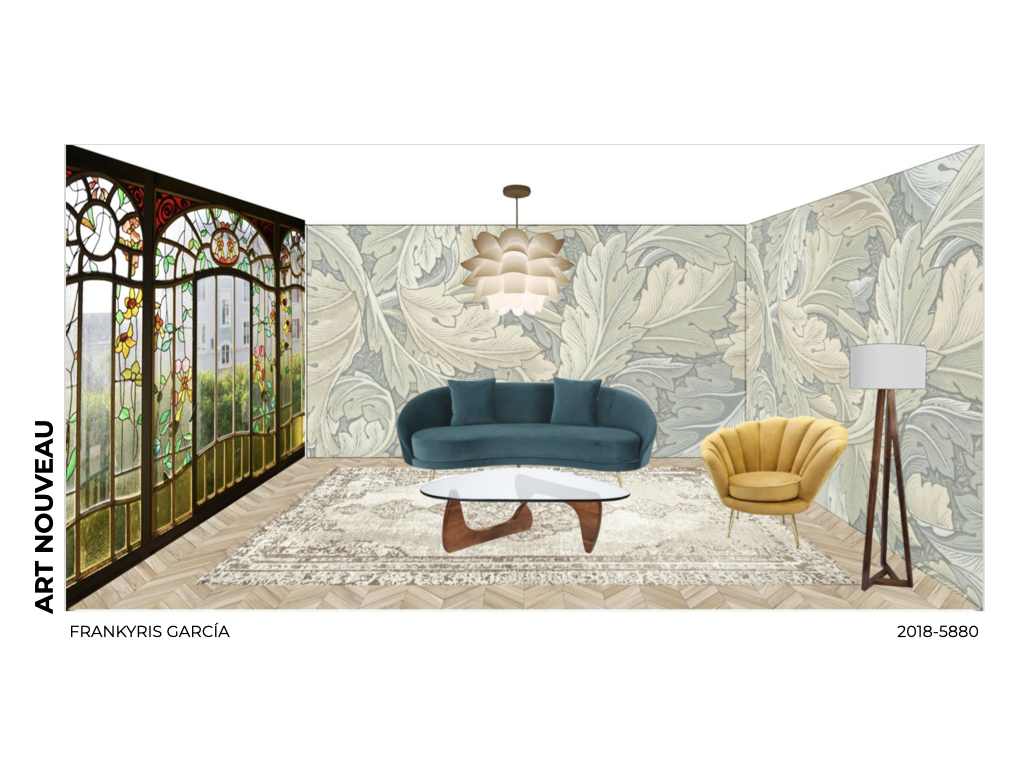
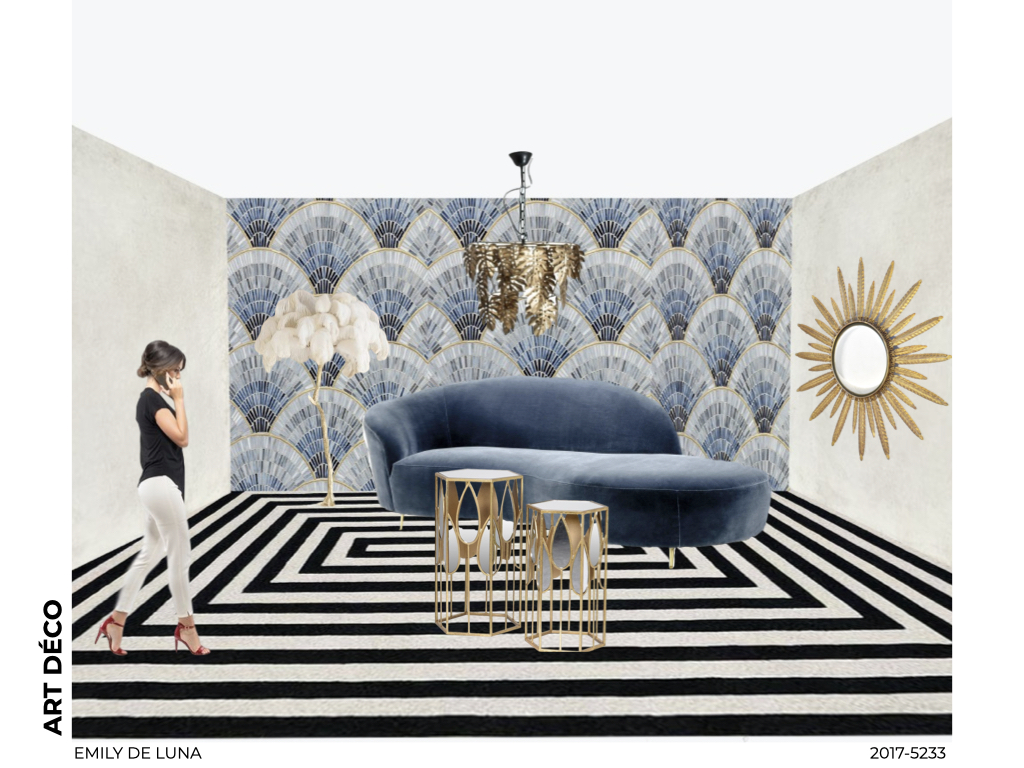
Each student selected a historical period or artistic movement and investigated its defining characteristics.
The research focused on identifying recurring visual and material elements — from colours and textures to forms, patterns, craftsmanship and relationships with nature.
The objective was to develop an understanding of the period deep enough to recognise its identity without relying exclusively on its most obvious decorative symbols.
02 — Reinterpret
The second stage asked students to bring those observations into the present.
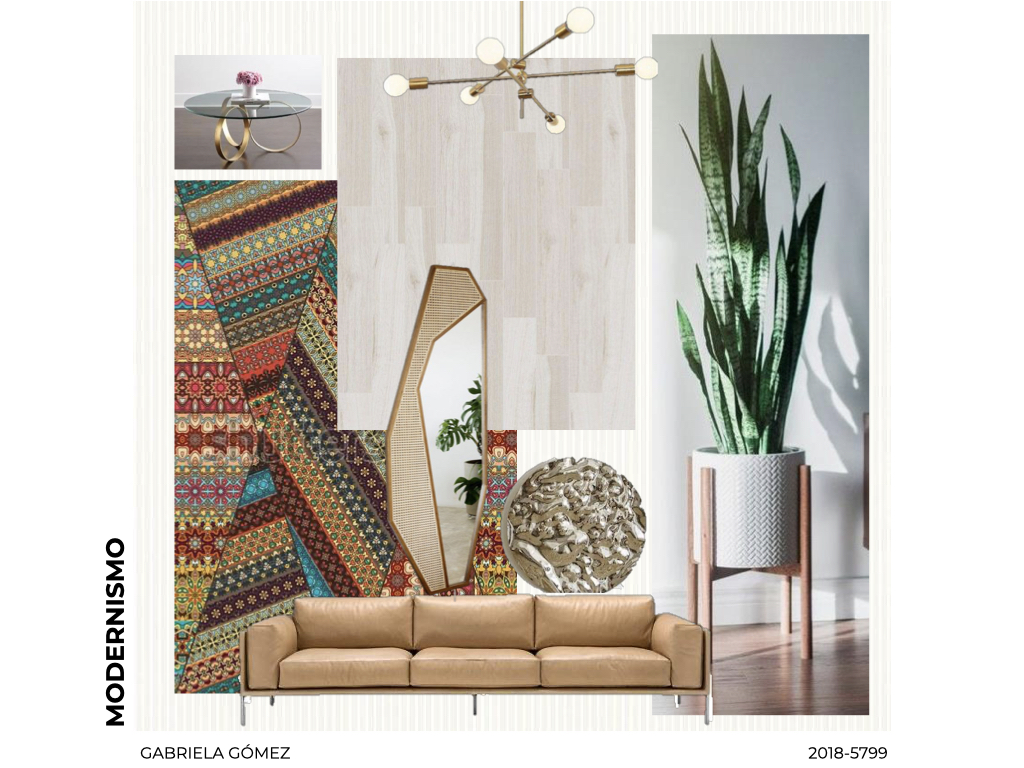
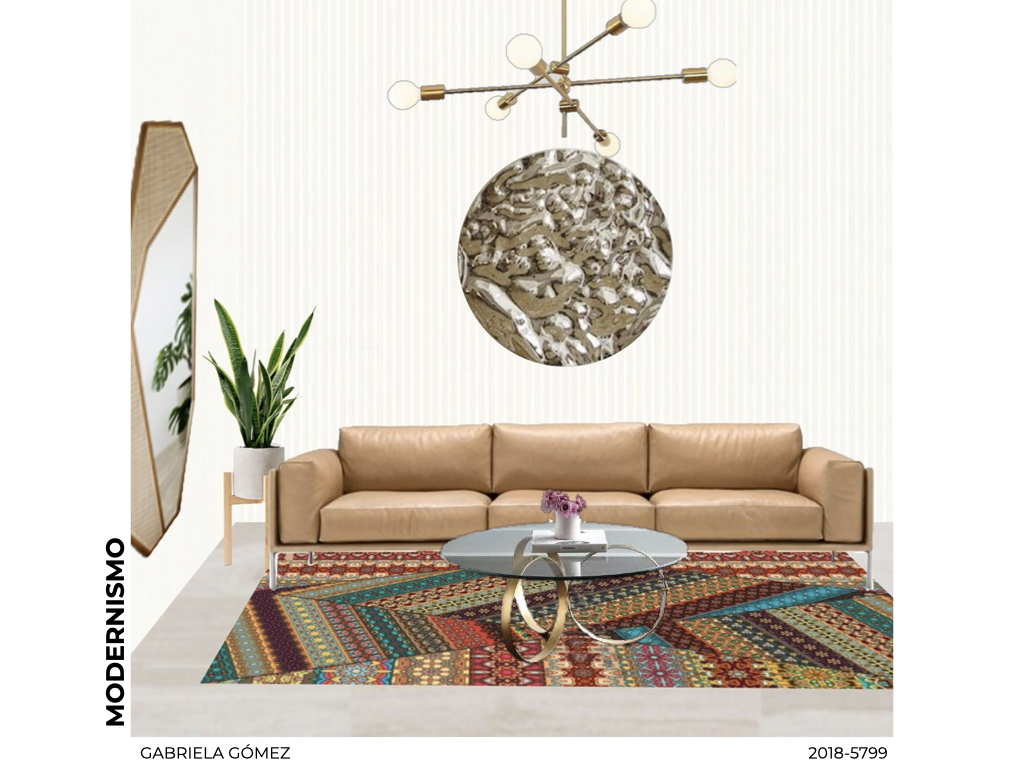
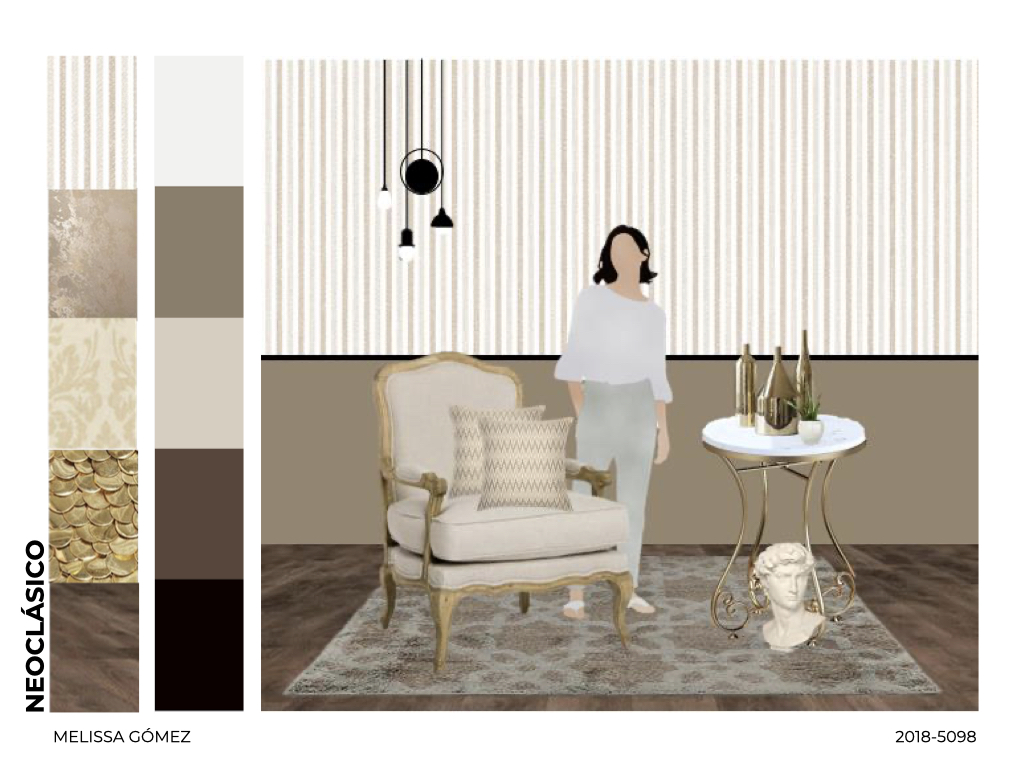
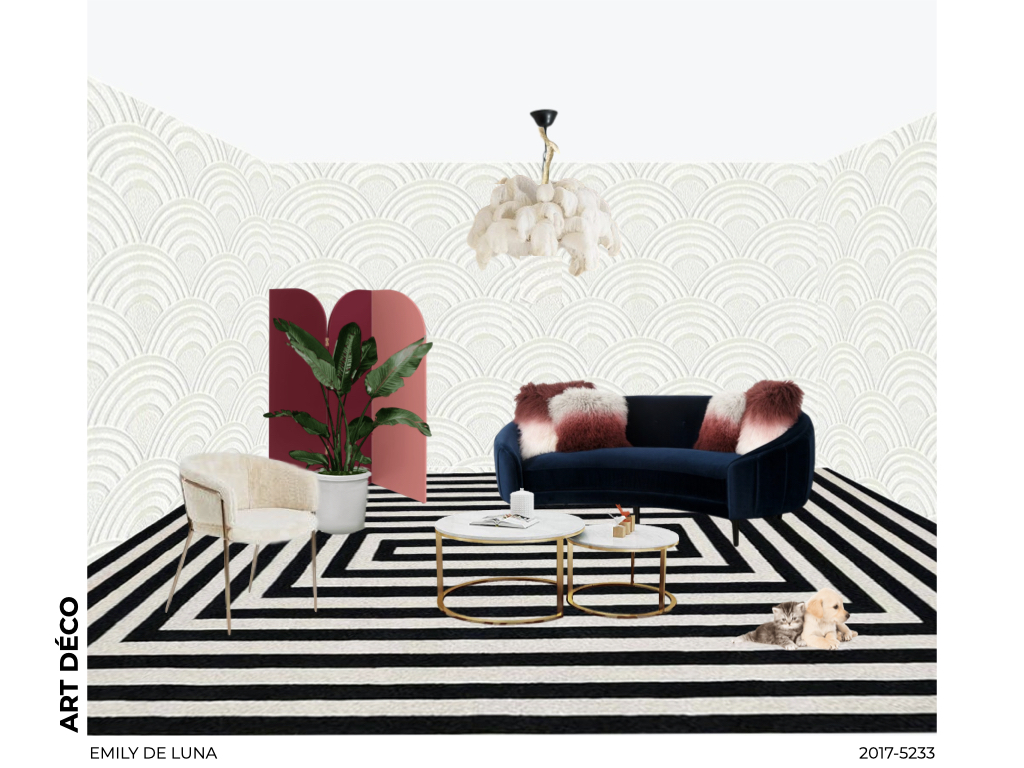
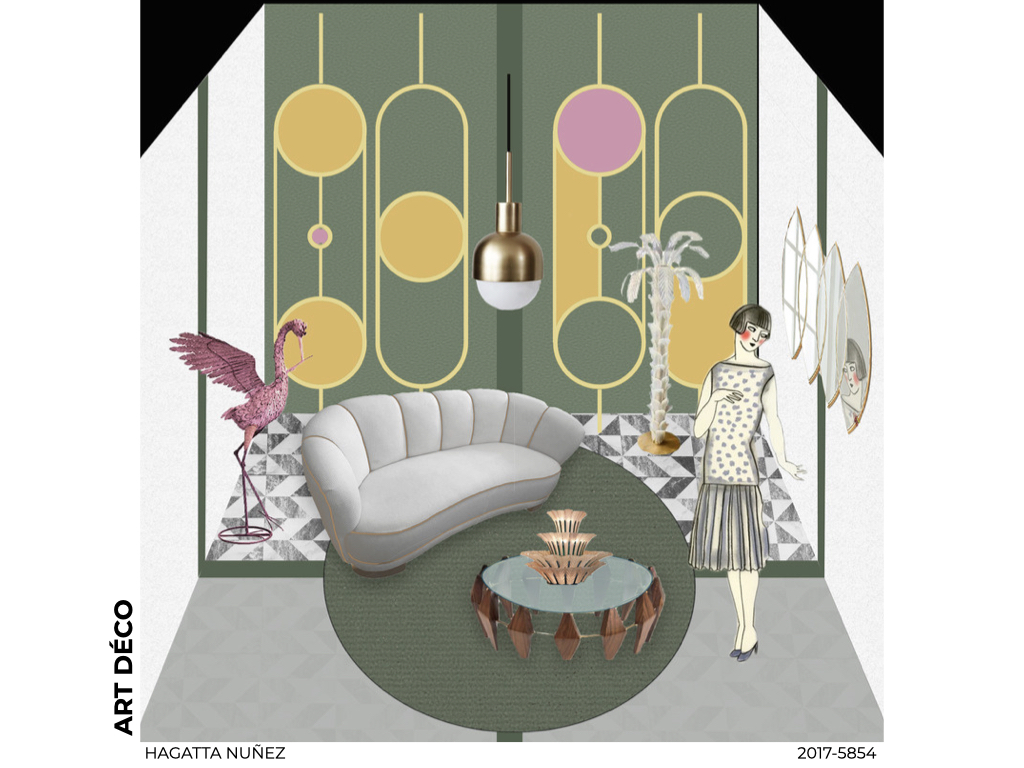
Rather than recreating a historical interior, they developed a contemporary material inspiration based on the characteristics identified during their research.
Through comparison and experimentation, students explored how historical references could inform new combinations of materials, surfaces, colours and textures suitable for contemporary interiors.
The past therefore became a source of information rather than a template to reproduce.
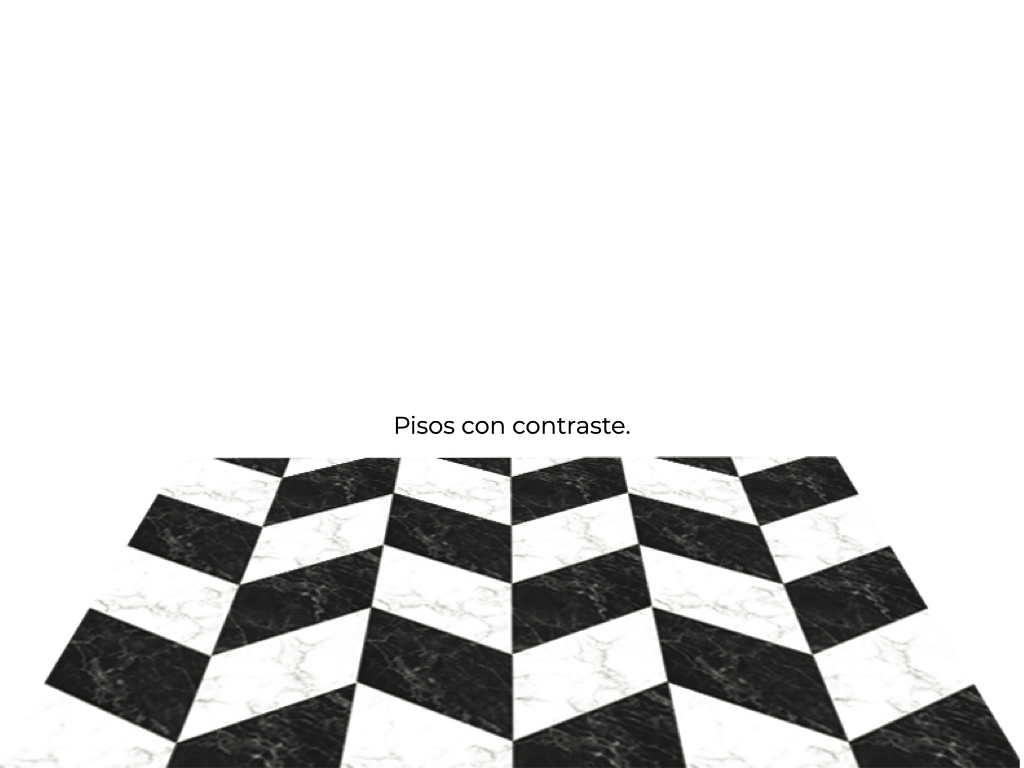
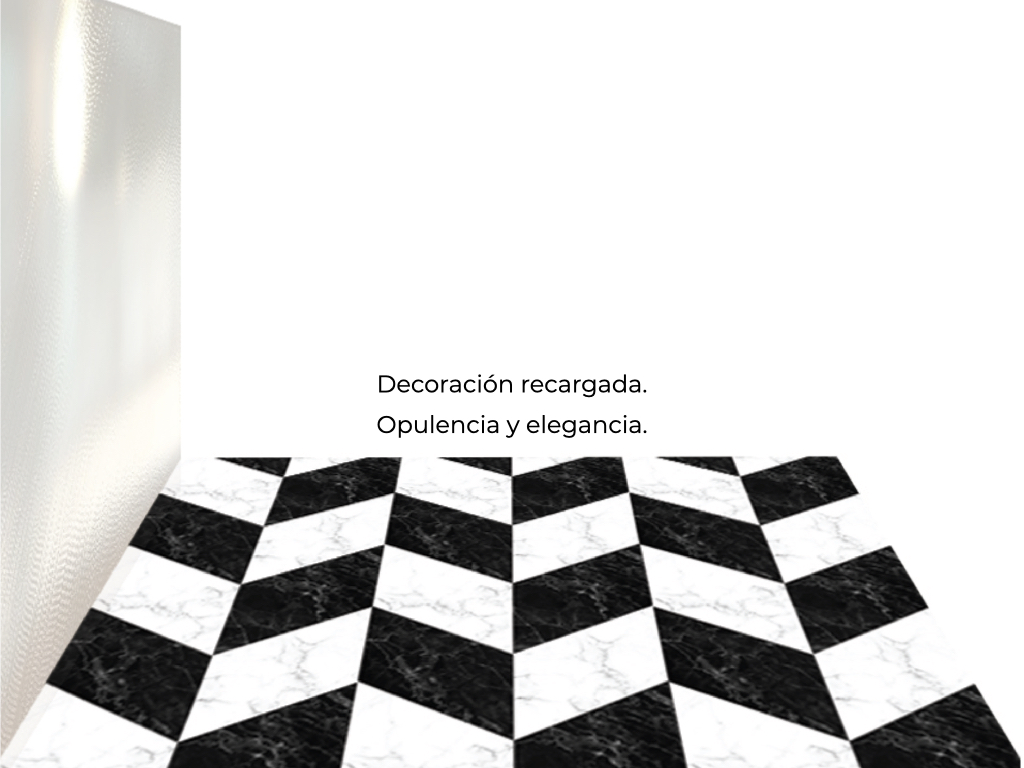
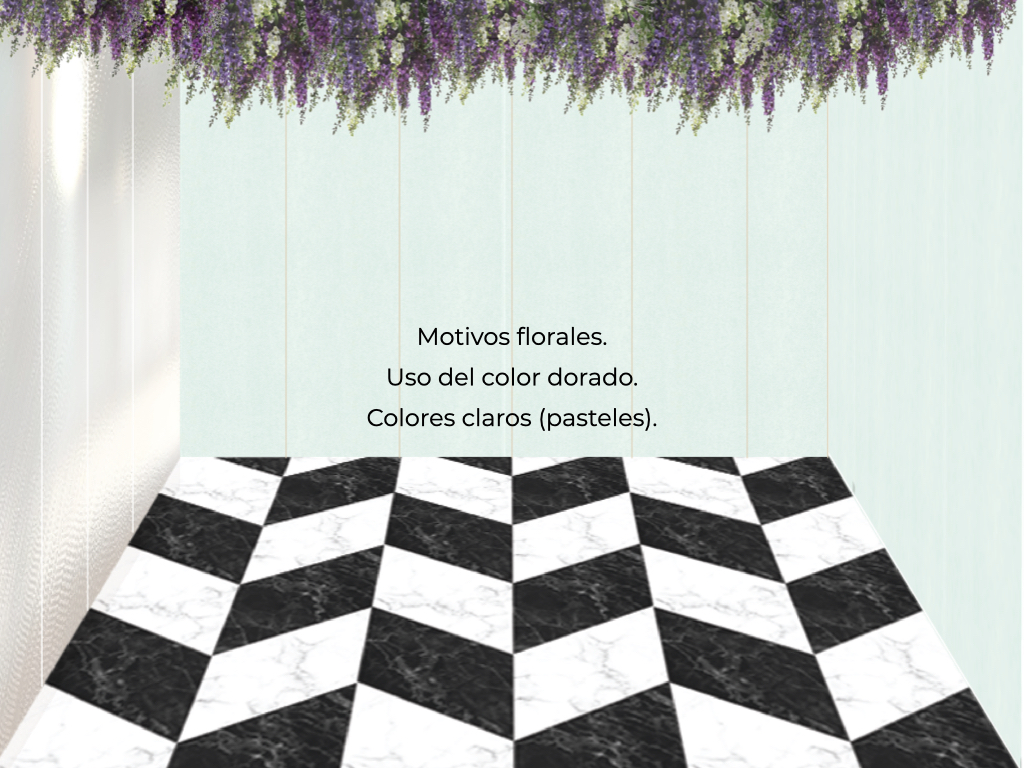
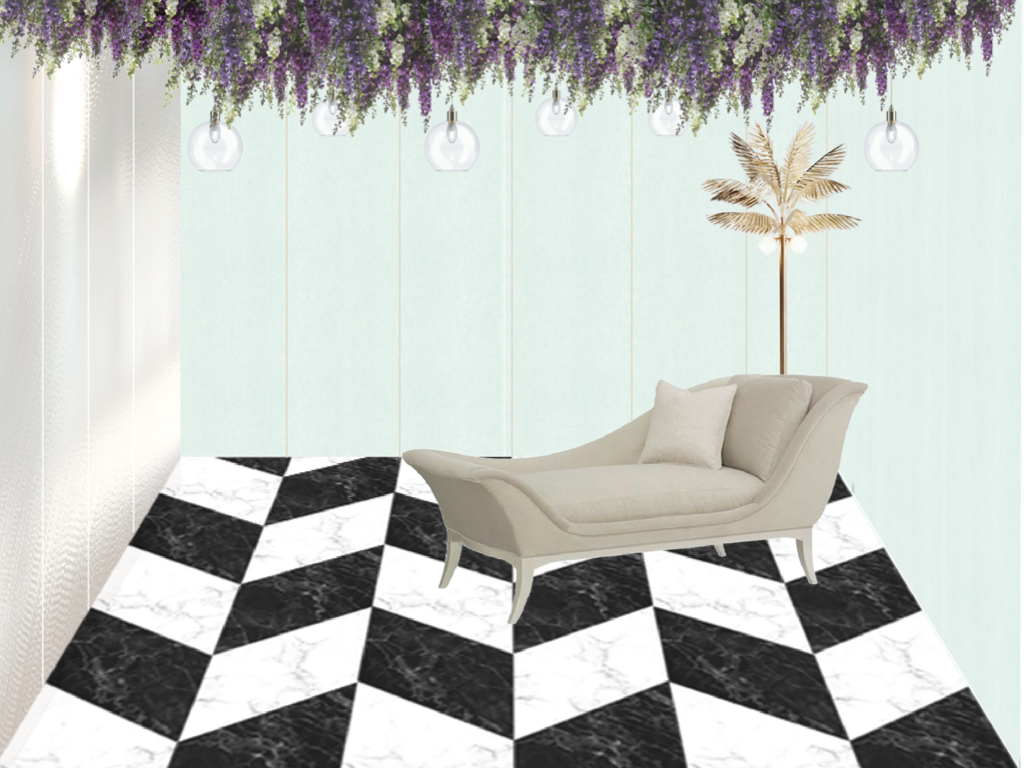
Rococo as a Material Study
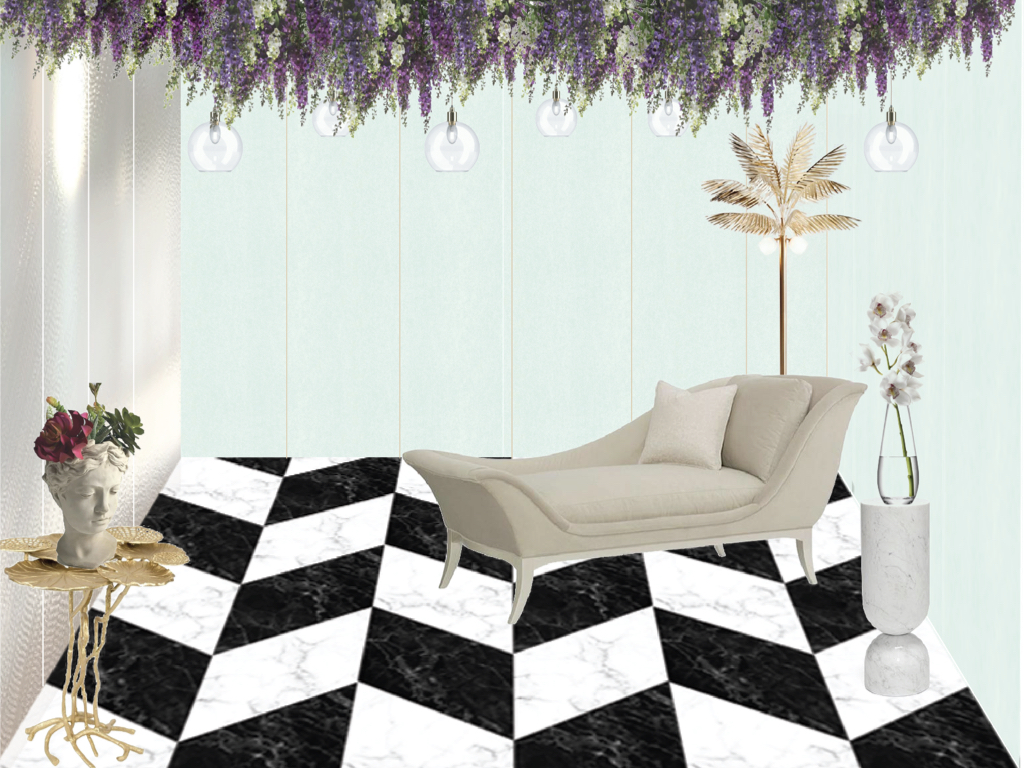
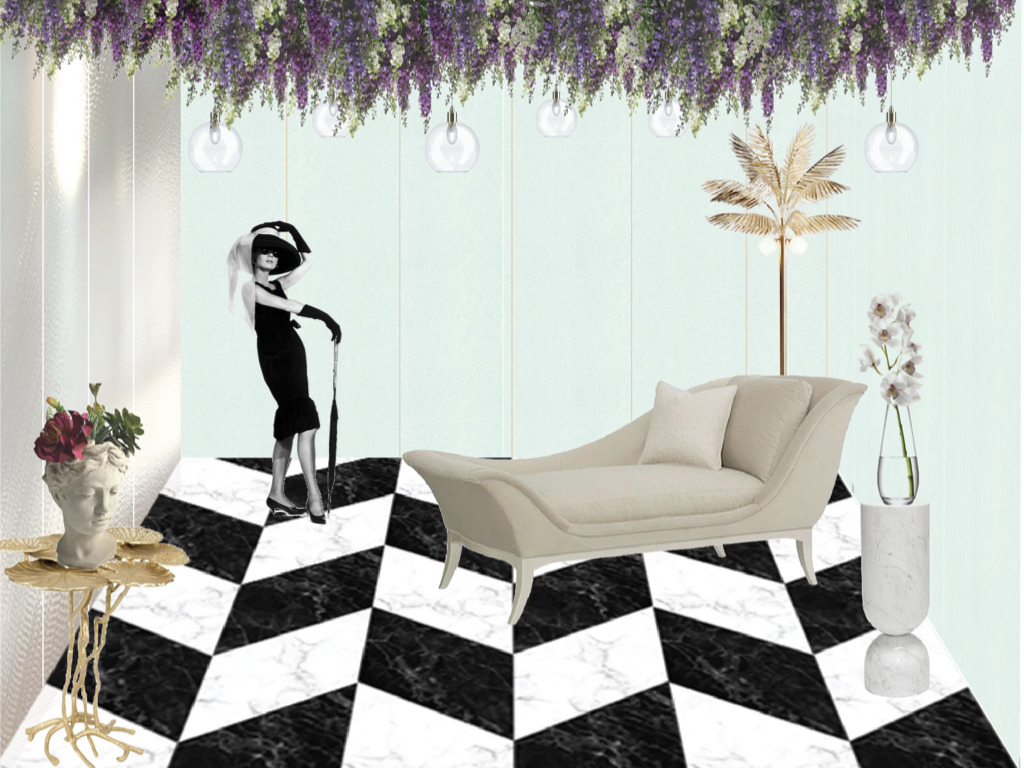
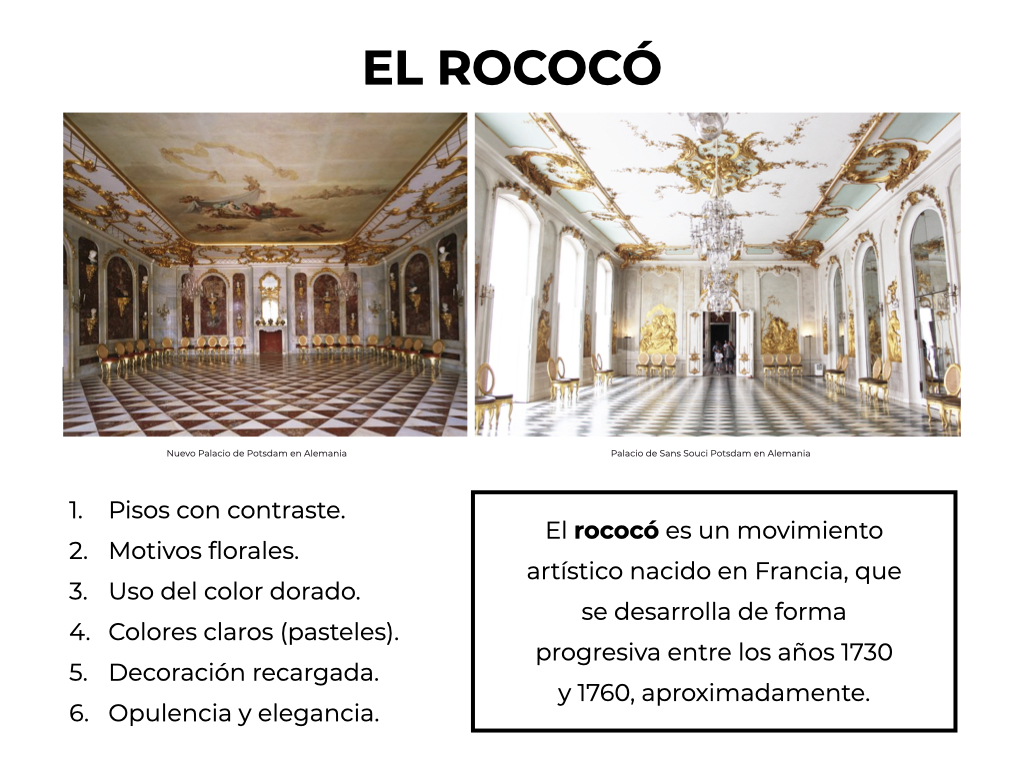
One example explored in class focused on Rococo.
The movement is commonly associated with luminous and delicate colours, organic forms inspired by nature, elaborate ornamentation and an atmosphere of refinement and sensuality.
Instead of translating those characteristics into a literal Rococo interior, the exercise asked a different question:
What would these qualities look like if expressed through contemporary materials?
Soft tonal variations could become stone, terrazzo or pigmented surfaces.
Organic forms could inform patterns or reliefs.
The delicacy of historical ornament could be translated into texture, craftsmanship or subtle material transitions.
In this way, historical references became the starting point for a new material language rather than an exercise in imitation.
Learning to Read Material
Ultimately, the exercise was about developing the ability to observe, identify and translate.
Students learned to recognise how materials, textures and colours contribute to the identity of a particular period and then consider how those same principles might generate entirely different design possibilities today.
Understanding history becomes particularly valuable when it gives designers a larger vocabulary from which to work.
The objective is not to design the past again.
It is to understand it well enough to transform it.
Course
Materials & Construction Techniques I
Exercise
Historical Material Analysis & Contemporary Reinterpretation
Case Study
Rococo
Topics
Materiality · Interior Design · Art History · Colour · Texture · Material Research · Contemporary Interpretation
Role
Lecturer · Interior Design
Institution
School of Architecture and Design · PUCMM
Location
Santo Domingo, Dominican Republic
I’m always open to new projects, meaningful, collaborations or a good conversation.
Conectemos.
Durante el periodo Enero – Mayo en Materiales y Técnicas de construcción I en la carrera de Diseño Interior de la Escuela de Arquitectura de la PUCMM @EAD_PUCMM, donde el estudiante de diseño interior desarrolla criterios que permiten entender el comportamiento, cualidades físicas y sensoriales de la naturaleza del material, para aplicar las técnicas de construcción apropiada según amerite el caso.
La unidad 3 de este curso consiste en aprender sobre los materiales y su uso en la historia. Dicho esto, para poder evaluar el final de la unidad y aplicar los conocimientos adquiridos se asigna una práctica que consiste en crear una inspiración de una época de la historia estudiada.

La actividad consiste en dos actos:
- Analizar los elementos característicos de una época específica de la historia de su preferencia.
- Crear una inspiración actual basado en los elementos identificados y mediante un estudio analítico de similitudes comparar como puede generar elementos innovadores para un diseño de interior en la actualidad.

Ver el ejemplo marcado en clase del movimiento artístico El Rococó, donde se identifica el gusto por los colores luminosos, suaves y claros y predominan las formas inspiradas en la naturaleza. Es un arte básicamente mundano, sin influencias religiosas, que trata temas de la vida diaria y las relaciones humanas, un estilo que busca reflejar lo que es agradable, refinado, exótico y sensual.
A partir de esto, se identifican materiales de construcción que puedan reflejar inspiración del Rococó para ser aplicados en superficies de un espacio interior.
Ver a continuación el ejemplo expuesto en clase.
Esta actividad permite al estudiante poder realizar un análisis de identificación de elementos, tales como materiales, texturas y colores para poder distinguirlos y asociarlos a un periodo de la historia del arte.
RESULTADOS
Arq. Sarah Tió | Profesora por asignatura EAD_PUCMM